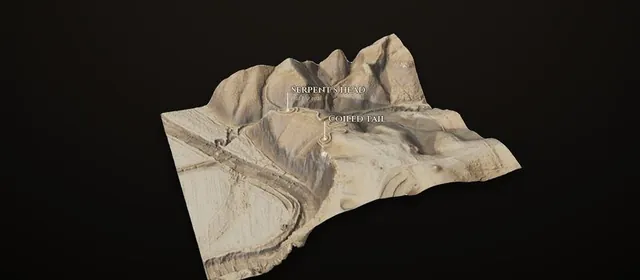
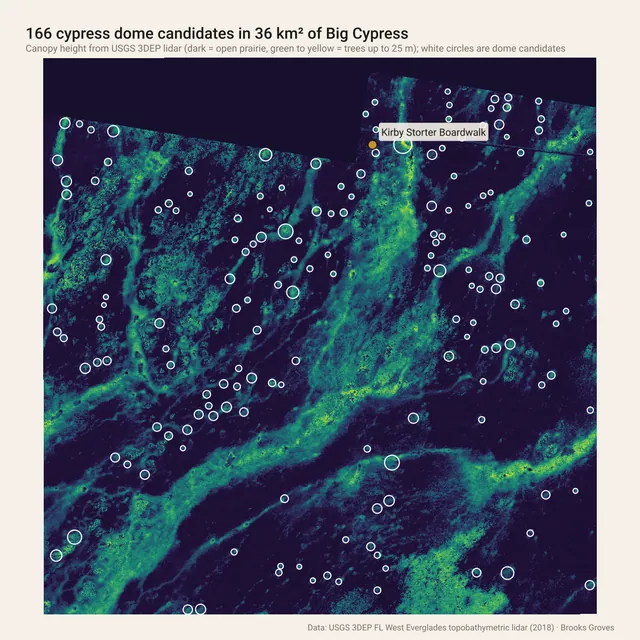
Oct 6, 2026Cypress domes grow tallest where the water stands longest. Streaming USGS lidar a square kilometre at a time, I found 166 dome candidates in 36 km² of Big Cypress, and 150 of them rise toward the middle. Here’s the average dome.
 Oct 6, 2026
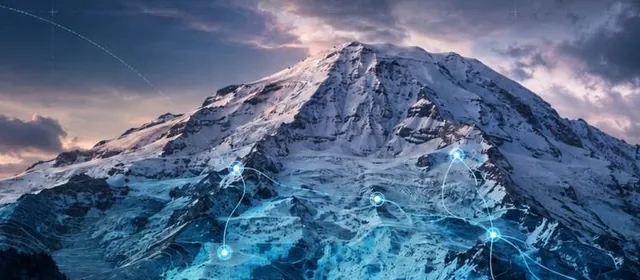
21 of Washington’s 36 old museum pika sites have no record nearby since 2000. Read the original labels and most aren’t missing at all. Here are the 10 real places worth a hike, on a map, from a low creek near Naches to the quiet Kettle River Range.
 Oct 4, 2026
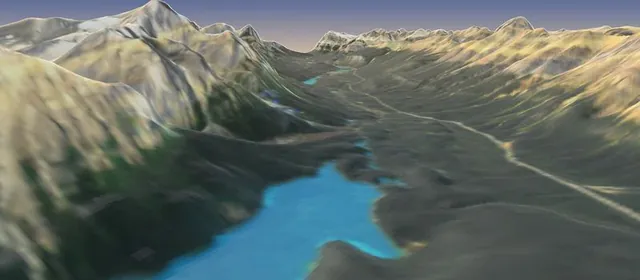
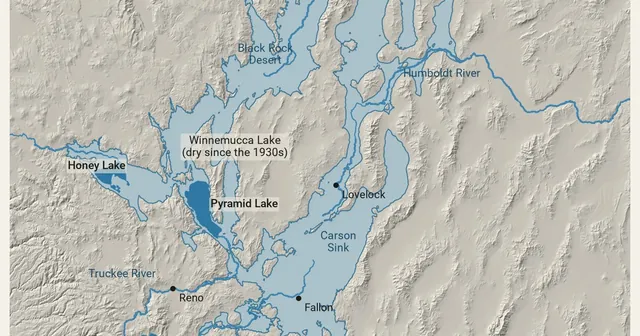
Pyramid Lake's native fish are survivors of Lake Lahontan, an ice-age lake bigger than Lake Ontario, mapped here by flooding today's terrain to its 1,335 m shoreline. The cui-ui lives nowhere else; the Lahontan cutthroat that made the 41-pound world record vanished after Derby Dam and came back from Pilot Peak, confirmed by DNA from a UNR lab. GBIF maps of five natives, the dams on the Truckee, and heat shock proteins from the author's UNR days.
 Oct 4, 2026
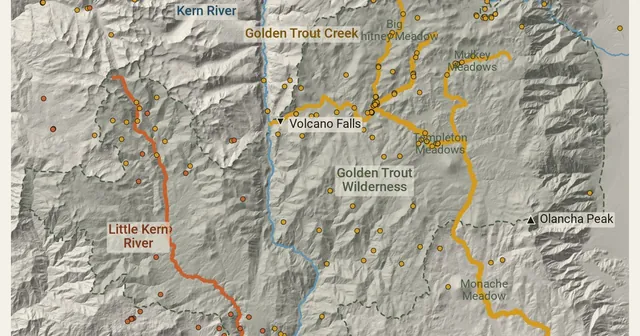
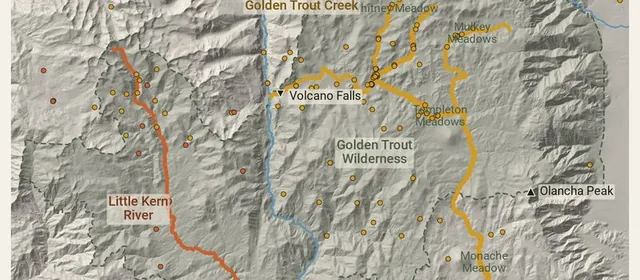
California's state fish, the golden trout, evolved in just two creeks on the Kern Plateau. In 1876 a coffee can carried 13 of them over the Sierra crest; now GBIF has 1,133 records across 13 states and provinces, only 288 of them on the plateau and 333 in Idaho. Plus the 1904 warning to Theodore Roosevelt, hybrids, brown trout and cattle, meadow streams that hit 26 °C, and an open question about heat shock proteins.
 Oct 4, 2026
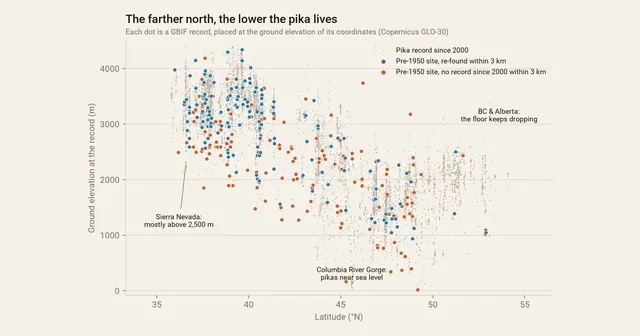
The American pika is the poster animal of climate change in the mountains, and the science is split between alarm and calm. I checked 276 of its pre-1950 museum sites against every GBIF record since 2000. Where pikas are still found, they're found where they always were; the sites missing modern records are disproportionately the low ones for their latitude, matching what the field resurveys found.
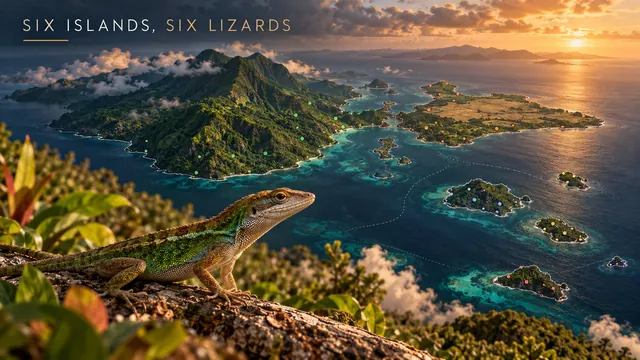
On Guadeloupe one anole lineage stranded on six islands became six species: the Marie-Galante giant, the golden-eyed anole of Petite Terre, the Kahouanne anole whose entire range is two rocks. ANOLE-WATCH maps nearly 3,000 GBIF records, refreshed weekly, and flags the data's own mysteries: records parked on a generic Guadeloupe centroid, and Petite Terre lizards placed on Les Saintes because both archipelagos have a Terre-de-Haut.
 Sep 26, 2026
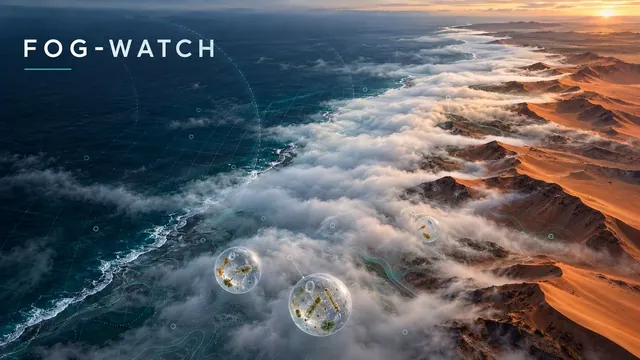
The Namib runs on fog, and a 2026 study found bacteria growing inside fog droplets and eating formaldehyde. If fog is a habitat it needs a habitat map: FOG-WATCH builds one from ten years of ERA5 reanalysis via Open-Meteo, for the Namib, the Atacama and the California coast. The Namib map fades inland and peaks at dawn from October to February, matching a new ground-based cloud-base study almost exactly. Plus the fog-basking beetle that does the headstand, and the one that got the credit.
 Sep 18, 2026
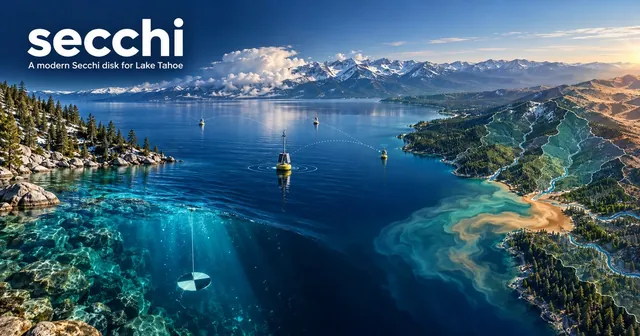
UNR opened up a network of sensors in and around Lake Tahoe, and I started reading along. A lake that only looked short of breath, a rain shadow you can measure in the soil, trees that breathe on a daily schedule, a soggy forest station explained by the ground beneath it, and a plate on a rope that still keeps score.
 2026
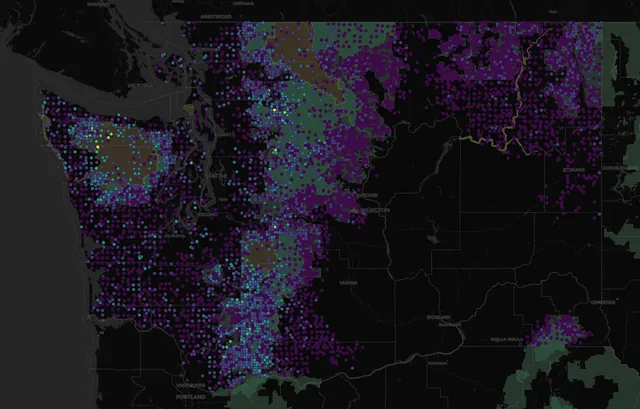
Learning Snowflake and dbt by pointing them at the federal Forest Inventory and Analysis dataset for Washington — 531,490 measured trees, where the wood is, where it dies, what fire does to both, and five confident predictions that turned out wrong, including two the data caught quietly lying.
 Apr 8, 2026
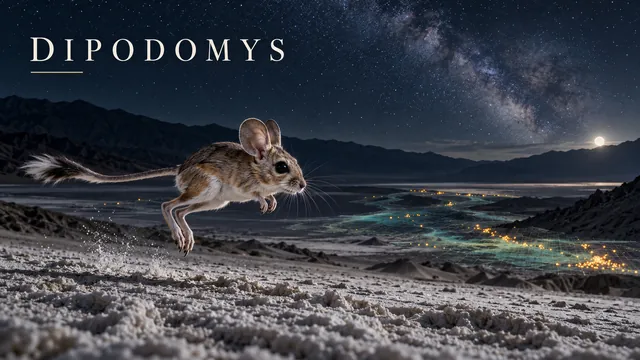
Live iNaturalist data, two species, one valley. Citizen science and habitat partitioning in the hottest place on Earth.
 2026
The actual science. 15 lessons from the photoelectric effect to the multiverse.

No posts with that tag.
 🏔️ ALPINE-WATCH